Hook
Binance bStocks just hit $599M in AUM, edging out xStocks by a mere $10M. Headlines scream “Binance leads the RWA race.” I see something else: a synthetic asset product strapped to a ticking regulatory landmine. The margin is noise. The structure is the signal.
I’ve spent the last 16 years auditing ICO contracts, building yield strategies, and surviving bear market liquidity crunches. In 2017, I manually reviewed 50+ ERC-20 contracts and flagged three with reentrancy bugs before they raised millions. That experience taught me one thing: never trust the headline; trust the code and the custody. For bStocks, there is no code—only a promise from a company already under SEC siege.
Context
bStocks are Binance-issued tokenized stocks—synthetic assets that track the price of equities like Apple or TSLA. They trade on Binance’s centralized exchange and exist on BSC as BEP-20 tokens. The mechanism is simple: Binance holds the underlying stocks in a custodial account, mints tokens against them, and allows users to trade 24/7. xStocks is a competing product from an unnamed issuer, likely another exchange or asset manager. Both target the same niche: crypto-native traders who want equity exposure without leaving the crypto ecosystem.
The data originates from a Dune dashboard tracking on-chain holders and supply. On the surface, the narrative is bullish: RWA tokenization is the new DeFi, and Binance is winning. But the lack of technical disclosure, the absence of reserve proof, and the legal context make this a high-risk play, not a safe yield.
Core Analysis: The Fragility Beneath the Numbers
Let’s dissect what the $599M actually represents. It is not TVL locked in smart contracts; it is the market value of tokens that can be frozen, delisted, or clawed back by Binance at any moment. The product is CeDeFi in the worst sense: centralized custody with a blockchain veneer.
1. Regulatory Exposure – The Howey Test as a Sword Apply the Howey test: money invested (you trade USDT for bStocks), common enterprise (Binance is the issuer and sole custodian), profit expectation (you buy because you hope the stock price rises), efforts of others (Binance executes the buy/sell, manages the inventory). All four prongs are met. bStocks are unregistered securities under U.S. law. The SEC has already sued Binance for offering similar products. In 2023, the SEC charged Binance with operating an unregistered exchange and offering unregistered crypto asset securities including BNB and BUSD. bStocks are a direct extension of that same model. The legal risk is not hypothetical—it is active litigation.
Based on my experience in institutional DeFi pilots in Berlin, I can tell you that no European family office would touch a product with such unresolved legal exposure. They require MiCA-compliant frameworks, not regulatory roulette.
2. Custody Risk – You Don’t Own the Stock bStocks are not direct stock ownership. They are IOUs from Binance. If Binance’s custodian suffers a hack (e.g., the 2022 BNB bridge exploit, the 2023 security lapse), or if Binance misuses the underlying stocks for lending or derivatives, your tokens become worthless. There is no on-chain reserve proof. The Dune dashboard shows token supply, but it cannot verify the off-chain stock holdings. I recall the 2022 bear market where I shifted 80% of my portfolio into stablecoins after watching Celsius and FTX fail—not because of the code, but because of opaque balance sheets. bStocks suffer from the same opacity.
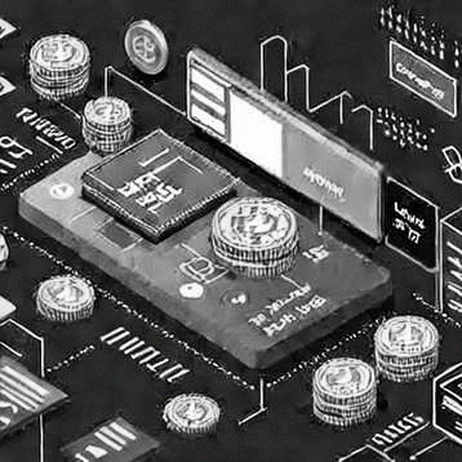
3. Competitive Illusion – The $10M Gap Is Noise A $10M difference between bStocks ($599M) and xStocks ($589M) is within the margin of a single large order. It could be one whale rotating assets. This is not a moat; it’s a rounding error. The real competitive battle is not AUM but regulatory compliance. Which issuer can secure a legal framework to operate in the U.S., Europe, or Asia? Binance’s legal troubles make it the weaker player. xStocks’ anonymous issuer might actually be better positioned if they avoid SEC scrutiny.
4. Value Capture – Zero bStocks generate no yield, no governance, no staking. They are a pure pass-through. The only value captured goes to Binance via spreads and trading fees. There is no tokenomic incentive for holders. The sustainability relies entirely on the parent exchange’s survival. If Binance loses its banking partners or faces a run on withdrawals, bStocks become illiquid garbage.

5. Market Slicing, Not Scaling This is not expanding the crypto user base; it’s carving existing liquidity into smaller pieces. The same traders who buy bStocks are likely the same ones who bought xStocks or used Synthetix. The total market for crypto equity derivatives is static or shrinking due to regulatory fear. Dozens of Layer2s fragment the same small user base; dozens of synthetic asset products fragment the same small capital.
Contrarian Angle: The Retail vs Smart Money Divide
Retail sentiment reads the AUM growth and thinks “RWA adoption is here.” I see the opposite. Smart money is avoiding these products because they understand the counterparty risk. Look at the on-chain data: the largest bStocks holders are likely Binance treasury wallets or market makers, not independent retail. The growth is manufactured liquidity, not organic demand.

Sentiment buys the dip; data fills the position. The data here shows a synthetic asset fragile on all fronts. The contrarian trade is to short the narrative: don’t hold bStocks; hold the underlying stock directly via a regulated broker. The premium of 24/7 trading is not worth the bankruptcy tail risk.
Smart money doesn’t trade the headline; it trades the block time. And the block time on this product is the moment the SEC files for an injunction. I’ve seen this movie before: 2021’s “institutional DeFi” hype that collapsed when regulators actually looked. The same pattern repeats.
Takeaway: Actionable Levels and Forward-Looking Thought
This is not a tradeable opportunity; it is a risk to avoid. The only actionable level is to monitor bStocks’ on-chain supply for sudden large redemptions or token freezes. If Binance announces a settlement with the SEC that explicitly permits bStocks, the product might become investable—but that’s years away. Until then, preserve capital.
Smart money doesn’t trade the headline; it trades the block time. And this block time belongs to the SEC, not to Binance.
—